









 Our cities are more crowded than ever. There are so many people, so many appliances churning, so much need for food manufacturing and so much more of everything. These are the things that are causing global warming, development of insular technology and sadly, greater conflict amongst us. There are now more than 100 wars actively engaged in the world, demanding a vast number of weapons that are being manufactured to keep up with it all.
We should be grateful every single day that we live in a country where conflict is not part of our daily lives but we must stop taking it for granted. We should be conscious of the growing challenges we have as we become more crowded in our cities. We are living cheek to jowl with each other on our roads and in our homes. We must channel our technology to not just build more comfortable, air conditioned cars to sit in traffic but to plan for better ways to move people efficiently without delay, without pollution and without the daily stress that is killing us.
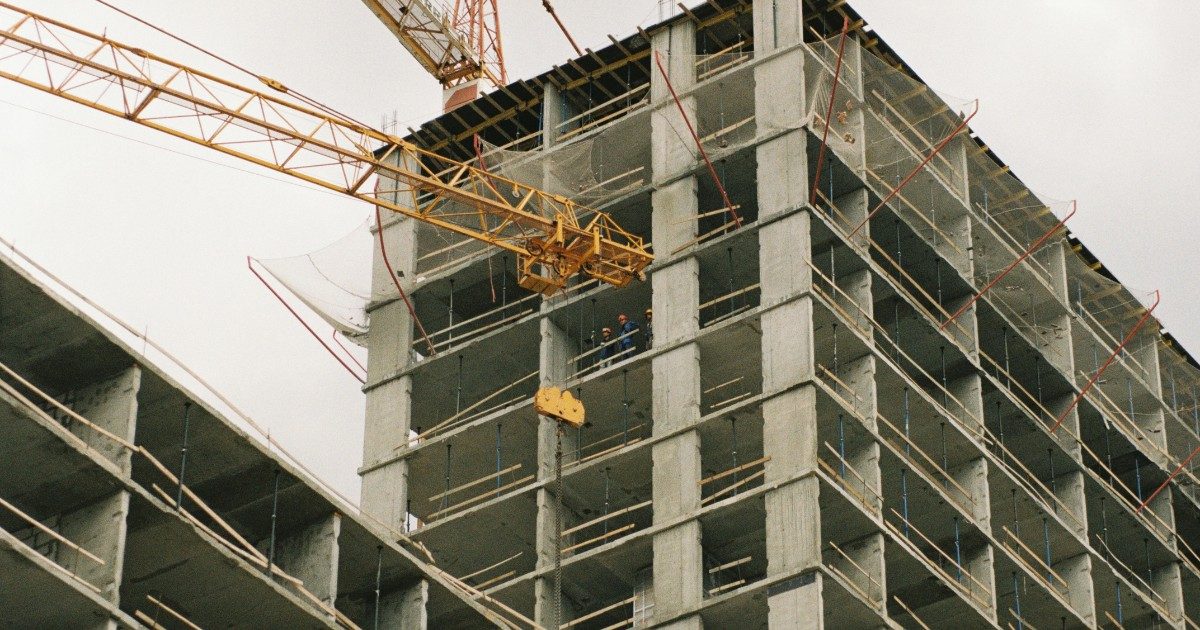
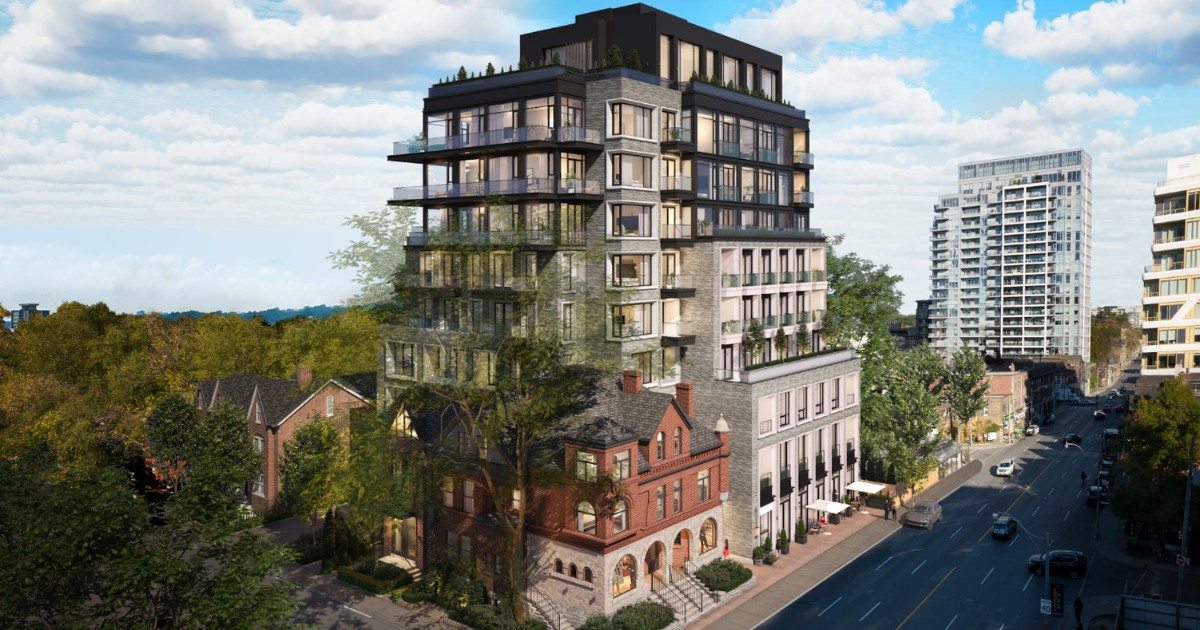
Nowhere can this be more effectively addressed than in the development and planning of new home projects. For the past many decades we have seen clever home building that has shoe-horned maximum properties into minimum property sizes. The days of single-family, three-bedroom, one-bathroom houses with big backyards seem as obsolete as the TV shows they were featured in during the 1950s. Back then there were no such things as condominium apartments. Back then there were no townhouse complexes. In the city core there were “cheap row houses” but nothing like the townhomes, stacked townhomes, condo-towns and estate complexes that we have today. All these names avoid saying what the developments really are, which is “living quarters jammed together in such a nice way that you won’t even notice how many units we have crammed into this small property space”.
Along with all these new developments come vastly inadequate road systems and absolutely no transit plans save for an obscure bus that runs infrequently. I think we can all appreciate an outstanding building that gives buyers a sense of ownership and a small sense of privacy but the stress of getting to and from these developments is incalculable.
It is time to plan for the fact that there are more of us today than there ever was before. Our elected officials must be held to higher standards so when it comes time to go to work or school, planners realize there will be a lot of us out there all heading in the same direction in the morning and all trying to get back in the afternoon. We need transit and we need good road systems that handle traffic well.
We also need to look to ourselves to understand that we may not enjoy the immense backyard space that our parents and grandparents had with their homes. We must cope in condos, co-ops and apartment buildings that are larger and have vast numbers of people, families, children and pets living in them. We must get along with each other better and be better neighbours.
We have smart appliances today that interact with us individually. We have entertainment devices for us to play games, watch movies on demand and deliver information of every kind we need.
But we have the worst planning when it comes to our outdoor networks – our roads, our schools, our parks, our transit and our infrastructure. If we don’t start addressing these growing needs soon, we risk the whole thing blowing up.
I can think of no other industry more front-line when it comes to development, planning and community building than the real estate collective. We have some of the sharpest minds and the most community active individuals of any industry. It is time to step forward and offer good thoughtful counselling and direction (through our committees) to the developers and municipal governments in our midst.
Heino Molls is publisher of REM. Email [email protected].