





 There was a time, a time not long ago, when there were no condominiums, no co-ops and no time-share properties. Back in my day there was no concept of an apartment building where everybody in it owned their own residence and shared the grounds of the building commonly. About 40 years ago, few people could imagine buying a residence that was anything other than a house.
Today there are people buying condominium homes who have no idea that this kind of property was unheard of by their parents not so long ago.
We have arrived at a point where we need to be clear that there are two kinds of residential properties in our major cities – houses and condos. Properties without shared common ground and properties with shared common grounds. There are lots of grey areas such as semi-detached houses, freehold town homes that share road maintenance or landscaping and houses with shared driveways. But it still comes down to a fundamental difference between a house and a condominium.
The reason it is time to look at these properties differently is the market. In the years ahead, property values will fluctuate, as they always do. From this time forward, however, houses are going to hold their value far greater than condominiums when markets move up or down. This will especially be the case in our large cities. It is just a matter of supply and demand.
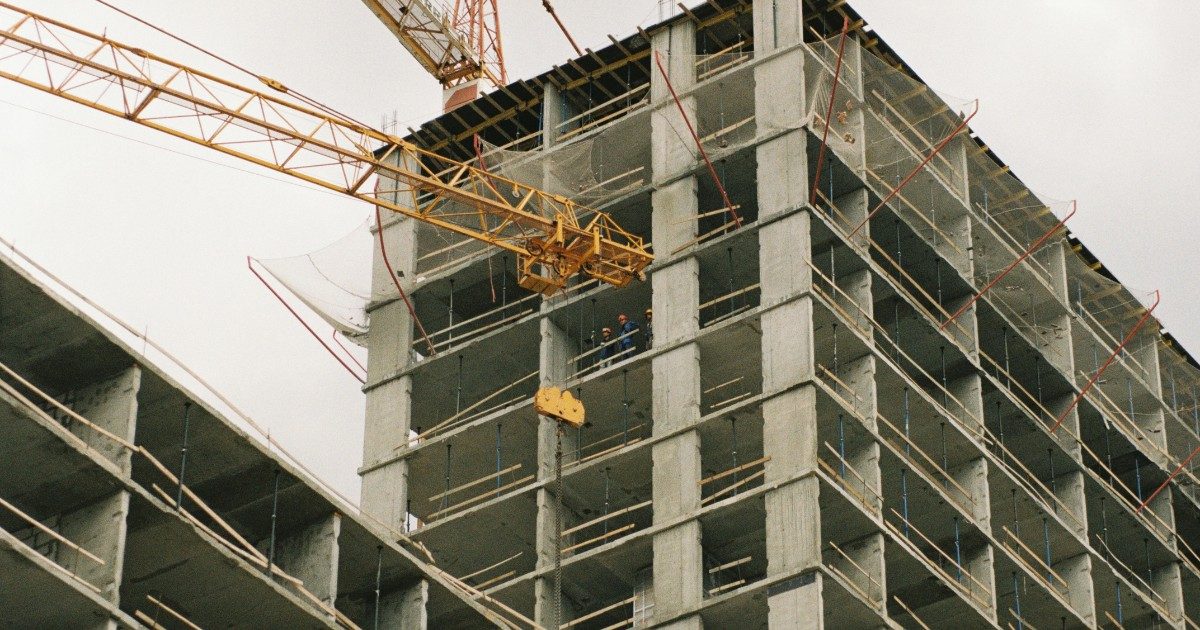
We are trending to a point where the number of condominiums will far exceed the number of houses in our cities. Look around. The supply of houses is actually decreasing as swaths of neighbourhoods are assembled and flattened to make way for new condo buildings and communities. Assembling these kinds of neighbourhoods is done through the demolition of a lot of houses.
The number of condominium buildings now under construction in every major city in the Dominion is moving along at a pretty fast clip. Some would caution that it’s excessive while others will point out that they are being purchased before they are built.
As this sea change of home building moves through our big cities, there will be precious few houses left when all is said and done. The key word is precious. The foundation of all economy is supply and demand. Fewer houses mean higher prices.
We are going to have situations ahead when the real estate markets will become even more active than they have been and all prices go up. House prices will separate from condo prices and my guess is they will go up even higher. By the same token every economy will experience a time when markets slow down. In the slower markets house prices will hold and may even rise while condo prices flatten for a period. The point is that the markets are going to be different going forward.
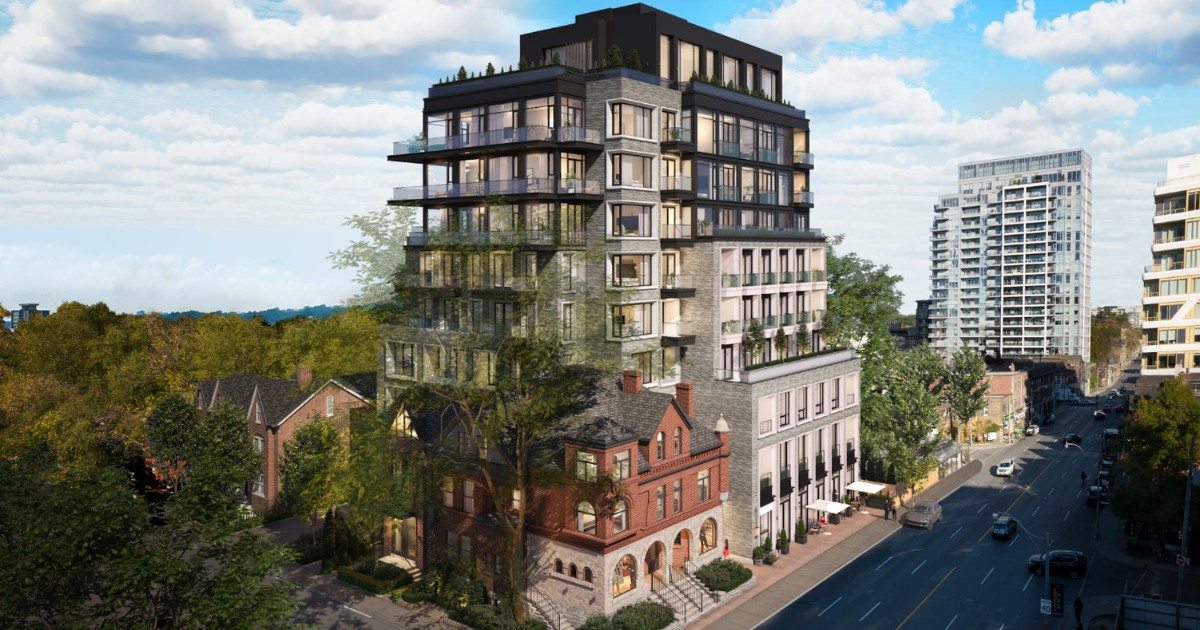
That is not to say that condominiums will always be considered “lower priced” properties. That is hardly the case, especially with the recent sale of Toronto’s highest priced residence, a downtown condo at some $28 million. It is, however, my view that the two markets going forward are different.
It’s time to formally separate the two in projections, discussions and in all categories of real estate dialogue. From this point on, the residential real estate market should be looked formally at as two different markets not as one “housing market”.
At the end of the day a house is a building. A condo is part of a shared property. Maintenance for a house is completely different than a condo. There is no committee to address neighbourhood concerns and no condo board of directors to decide on landscaping. It’s a whole different mindset and a whole different market.
It’s time to promote this difference formally.
Heino Molls is publisher of REM. Email [email protected].