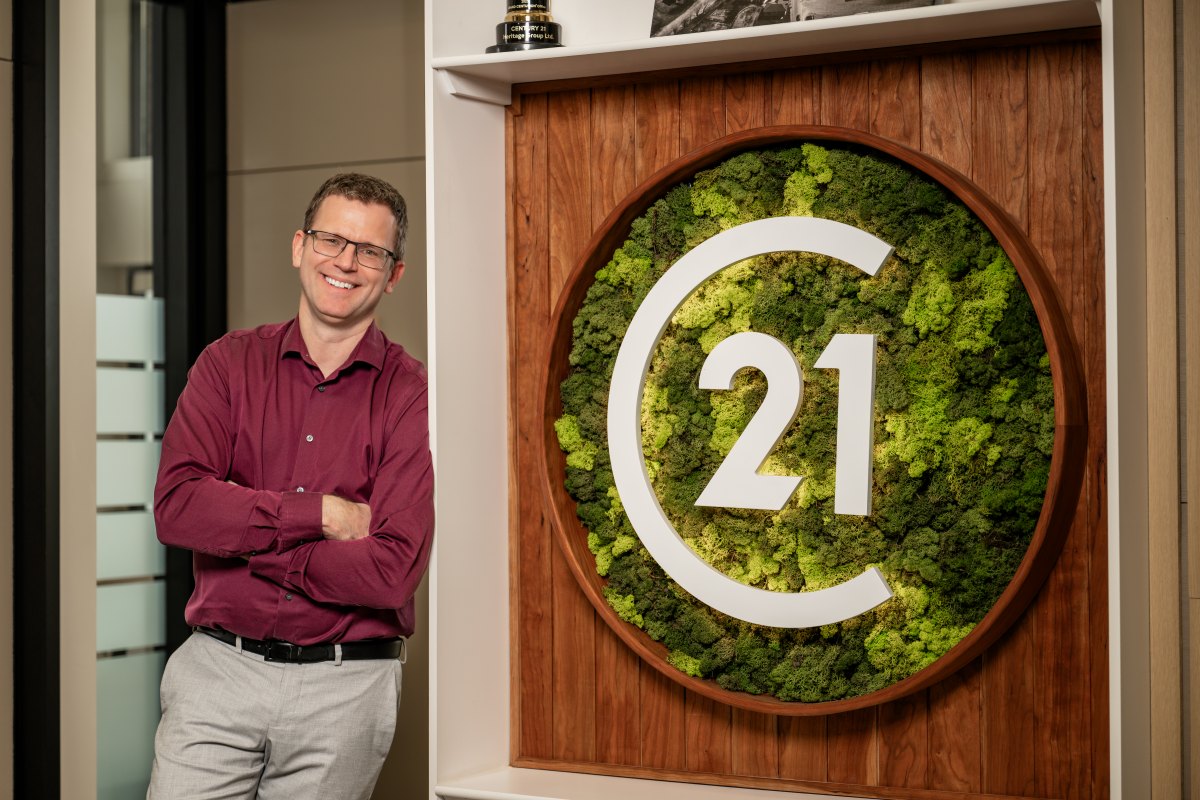







Lisa Ames (Photo by Toshi Kawano)
By Katherine Fawcett
Looking back, Lisa Ames would say almost all her Olympic dreams came true.
All but staying in her hometown.
“The games were a once-in-a-lifetime experience that I wouldn’t have traded for anything,” says the 40-something Realtor who was based in Pemberton, about 25 minutes north of Whistler, but now lives in Squamish, to the south of the ski resort.
Ames, who was profiled in a pre-Olympics article in REM, dove into the excitement of the Olympics head-first. She spent 14 days and 14 nights joyfully immersed in the sports and culture festival that shone a global spotlight on Vancouver and Whistler. “To be so close to the action was incredible. I think it changed our community and province. The sense of pride was amazing.”
During the games, a translator for an Eastern European team was billeted at her house. She volunteered in the press centre. She celebrated alongside Olympic champions, cheered her friends as they carried the torch into Whistler, watched Canada win a gold medal in hockey, stood at the sidelines of thrilling events and met athletes, fans and volunteers from around the world.
Many Pemberton businesses shut down for that two-week period. Schools closed and people partied in Whistler. Ames figured she wouldn’t be doing any real estate deals, and she was right. “Business in general during the games was very slow. However, the exposure and long-term marketing value was immeasurable,” she says. Even for Pemberton? “What’s good for Whistler is good for Pemberton,” she says with a smile.
Ames worked hard to capitalize on the Olympic experience for the entire region. Among other things, she helped organize an event that saw 300 dignitaries and business leaders rubbing elbows with representatives from Pemberton and Squamish at Canada House in Whistler, in an attempt to draw attention to what the surrounding communities have to offer.
However, direct positive economic benefits from the games are more difficult to find in Pemberton than elsewhere in the Sea-to-Sky corridor, and part of Ames’ personal legacy from 2010 was a relocation to Squamish.
Situated smack dab between Whistler and Vancouver meant Squamish was able to reap much greater benefits from the Olympics. “Squamish was more involved with the actual operations of the games (than Pemberton). It was a base for many of the workers before and during the games and was also a hub for the bus network,” says Ames. She sees the Squamish real estate market growing and strengthening. “The legacy of the new Sea-to-Sky highway has had the biggest impact on Squamish. People can be in downtown Vancouver in 40 minutes and have one of the most scenic and tranquil drives in North America…People are realizing this, and we are seeing more and more buyers from the Lower Mainland.”
Although there is much she misses about “Pemby,” Ames loves her new home. She appreciates the diversity of business opportunities and the wider range of amenities that a larger town (over 20,000, compared to Pemberton’s 5,000) offers her and her family. She still maintains strong ties with Pemberton. The drive north through Whistler to Pemberton is a regular part of her life, as she remains an active member of Pemberton’s town council. In Squamish, her community activism has found a new place to take root. She is still a Rotary member and was integral in a major fundraising campaign for the Squamish hospital.
Was Ames disappointed that Pemberton didn’t see more of a post-Olympic boom? “I don’t think so,” she says. “The games had so many other positive effects, I can’t be disappointed. If the games had been a total disaster…I think I might have a different opinion. The games experience was so good, it’s all okay.”