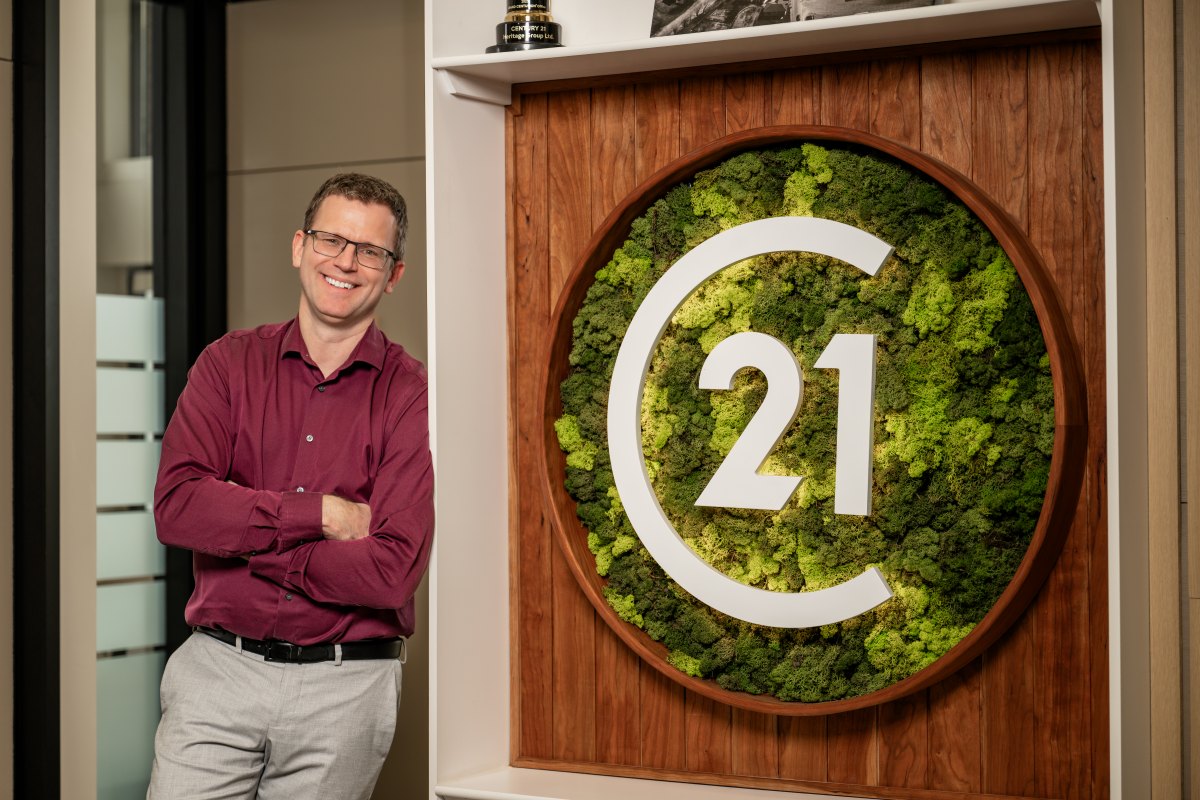







Joe Scott with Jo Pillon
By Melanie Epp
More than 10 years ago, inspired by a neighbour’s story about an ill granddaughter, sales rep Jo Pillon of Buckhorn, Ont. joined the Canadian Blood Services’ OneMatch Stem Cell and Marrow Network. When she was contacted by the organization in 2008, it had been so long that Pillon had completely forgotten that she’d signed up at all.
“It was a bit of a shock to all of the sudden get this letter that says, ‘You could potentially be a match to save someone’s life, are you interested?’” From there, Pillon had to decide if she would like to proceed with the preliminary tests. The procedure, which isn’t as invasive as it sounds, does require a certain amount of commitment.
“It’s a hard decision to make because, of course, you get all of this selfish stuff that comes like, do I want to do this? Can I do this?” she says.
Her deliberation was short-lived. Soon afterward, Pillon decided to do the preliminary testing, not only to further the matching process, but also to ensure that she was healthy enough to donate. The letter was careful to remind her that even though she may be a willing donor, there was no guarantee that she would indeed save someone’s life.
“They really push the fact that you are only giving someone hope,” says Pillion. “Because once the patient gets to the stage of having to have a transplant like this, they have exhausted all other options.”

Joe Scott is an accomplished musician
Joe Scott of Palm Beach Gardens, Fla., who was diagnosed with acute myelogenous leukemia in 2005, was told that there was a 20 per cent chance that the cancer would ever go into remission. A stem cell transplant was really his only hope. The risks were high, but Scott was game.
On April 9, Jo donated her stem cells through an eight-hour procedure, similar to dialysis, at Princess Margaret Hospital in Toronto. “The procedure is fast. It is not invasive. There is a drug administered for five days prior to the donation. That drug is the only nasty part of the whole process.” The purpose of the drug, called Filgrastim, is to stimulate stem cells and bone marrow so that it will leave the bones and circulate in the bloodstream.
In the wee hours of April 10, Scott received his transplant in Florida. The procedure was remarkably successful and he has since resumed his life of teaching and playing music.
“Joe is well – very well, in fact. His doctors are so amazed, and because I had a hand in that, I feel amazing!” says Pillon. “I feel great! It’s quite humbling when you look at the whole picture. I’m thrilled that my cells have kept this great man alive.”
Pillon says the only “tangible negative” is that the drug used to promote stem cell growth causes flu-like nausea and bone aches. “But,” she says, “That’s a really small price to pay to save someone’s life.”
The donation happened to take place on Pillon’s son Trevor’s 21st birthday. “He put it into words so well when he said, ‘Mom, you have given life twice on that same day.’
I hadn’t thought about it that way, but as soon as he said it I thought, that’s very powerful.”

Jo Pillon
Since the transplant, Pillon and Scott have met in person and have become good friends. Scott teaches music at a university and plays piano in a jazz band. To show his gratitude, Scott held a “celebrating life” concert in Pillon’s honour in his home state of Florida.
Pillon is a sales rep for Royal LePage Frank Real Estate in Peterborough. She says that she takes the Royal LePage motto, Helping You Is What We Do, to heart. “It sounds cliché to say this, but that is really my motto, as well as the Royal LePage motto.”
It is Pillon’s hope that her story will inspire others to sign the registry. “Not enough people do it, and that’s why I’ve agreed to this article. There are many Realtors in Canada – even if a few people who read this article sign the register after reading it, I’ll feel like I’ve helped the cause.”
About the program:
* OneMatch Stem Cell and Marrow Network is a program that is dedicated to seeking out healthy volunteer donors for those in need of stem cells.
* OneMatch’s database includes over 200,000 individuals who have agreed to donate to patients around the world, no matter where they are located.
* Of those who find donors, fewer than 30 per cent of them find a compatible donor from within their own family. The rest of them rely on volunteer donors.
* Stem cells become one of three things: red blood cells, which carry oxygen; white blood cells, which fight infections; or platelets, which help to stop bleeding.
* Stems cells treat a variety of diseases and disorders, including immune system disorders and leukemia.
* Stem cells are taken from both bone marrow and circulating blood.
* If you would like to sign the registry, you can do so if you are between 17 and 50 years old. You will need to meet certain health criteria in order to have your application accepted.
* To join, visit www.blood.ca, or call 1-888-236-6283. You can also e-mail [email protected] for more information.