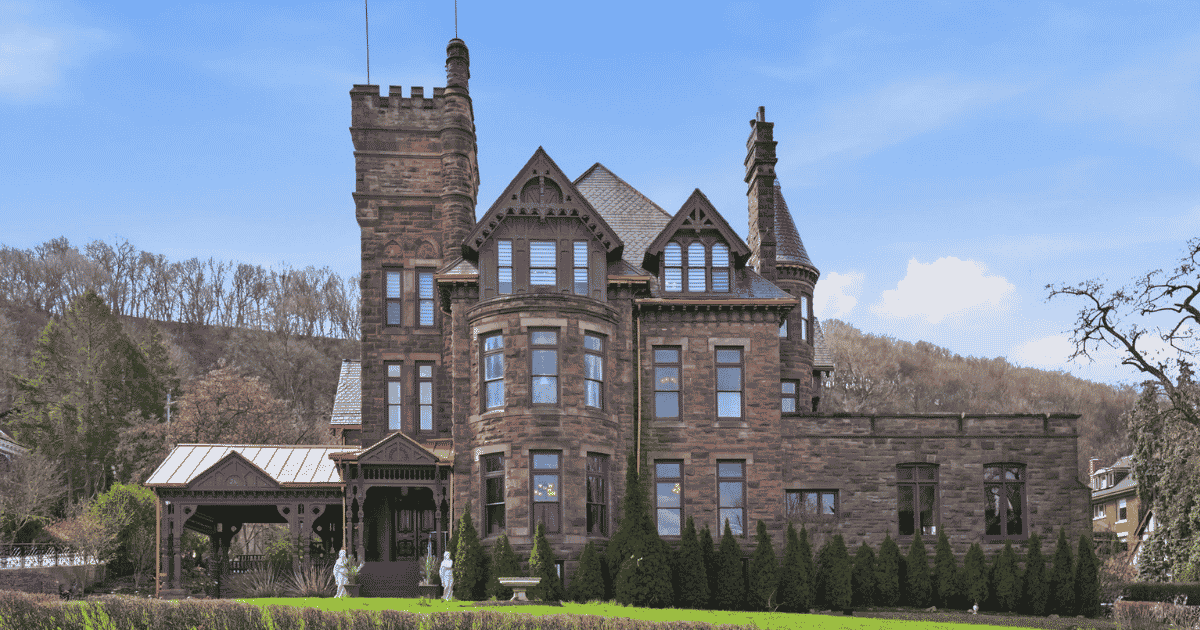









A photo of the Nita Lake Lodge distributed by the Beware at Whistler group.
By Jean Sorensen
A bitter dispute between owners in a resort lodge in the Resort Municipality of Whistler, B.C. is demonstrating some of the pitfalls that can happen when multiple owners in a building disagree and the deal goes the way of the ski slope.
Phase I and Phase II strata units have municipal covenants imposed upon them.
The Phase II units are the most restricted. “They have been in the village since the late ʼ70s and early ʼ80s,” says Whistler Mayor Nancy Wilhelm-Morden. The majority of the Phase II units are clustered around Whistler’s central village area. When they were built, the municipality was concerned that this hub area of condos and townhouses would see the owners only occupy them on weekends. “They would sit empty the rest of the time,” says Wilhelm-Morden. The municipality brought in a “warm-beds” policy to ensure rooms for skiers and recreationalists would be available anytime and instituted a covenant system that frees up the suites for rentals. It ensured there is week-round traffic for the retail and commercial outlets clustered in the village area.
Phase I units (which are usually double the price of Phase II units) allow the owner unlimited use anytime of the year but when the unit is not in use, it is placed into a rental pool that is managed under a rental pool management agreement (RPMA). But the owner can also rent out the unit. Phase I units are usually found in buildings away from the central village area.
Phase II units restrict the owner’s use to a combined total of 56 days during summer and winter months and permits usage if there are no bookings. The units are in buildings that are branded by a hotel with a manager and booking desk. The owners have in place a revenue sharing agreement determining how the room proceeds are shared between the management organization and the suite owner.
On one side of the dispute is Nita Lake Lodge majority owner and lodge manager Michael Scholz, who in May filed a $400,000 civil claim for damages against a minority group of Phase II covenant suite owners. In June, they launched a buyer-beware website (www.beware-at-whistler.com) and sent out a news release entitled “Whistler Rule Guts Real Estate Values.”
In the release, the owners say they were “locked out of their own property by an opportunistic investor in a condominium project who appointed himself rental manager, took control of their units, rented out their properties and kept the proceeds. Property values have declined nearly 80 per cent and owners remain locked out of their property today.”
Wilhelm-Morden and local real estate brokers and sales reps say the Nita Lake Lodge situation is not indicative of what is happening with some 5,000 Phase II units that now exist in the resort town. The unhappy group of Phase II suite owners has asked the municipal council to address their covenant concerns but the council is maintaining a hands-off position in the dispute.
Wilhelm-Morden, who is also a lawyer with Race & Co., met with the group “three or four times” but says, “It is a private dispute with the majority owner. There is no role for council in this.”
Wilhelm-Morden, like others in the real estate industry, views the website as an unfortunate extension of the dispute. “It is really quite unfair in my opinion,” she says.
Whistler Real Estate owner Pat Kelly is a 33-year veteran of the area. His company did the original sales on behalf of the developer nearly a decade ago. Kelly has also met with the minority owners and voiced his concerns about the website. “It is trying to give Whistler a black eye,” and he says it’s undeserved, especially at a time when the real estate market in the international resort town is on the rebound after some difficult years. Kelly says owners of units within any building who have problems can seek advice and redress from a variety of B.C. government outlets including the Consumer Protection Branch and the Real Estate Council of B.C.
Real estate agent Sally Warner of Re/Max Sea to Sky Real Estate Whistler, who is familiar with the Phase II market, says the Nita Lake dispute is atypical and not indicative of the relationships that most Phase II suite owners have with their building managers.
Nita Lake Lodge is a short shuttle ride from the village. According to TripAdvisor, which rates the lodge as the No. 1 choice in Whistler today, patrons favour it because it is secluded from the busy village and because it’s close to a passenger rail station. The boutique property, which has 77 Phase II units, was marketed with presales in 2007-2009, but the market was on a downward spiral. By 2011, the developer was not able to meet his bank commitments. The property was moving towards insolvency.
Majority owner Scholz said he “fell in love with the place” and stepped in during 2011 to forge a deal with the developer, purchasing the majority of units that had not sold earlier. Scholz claims the management company was also heading towards insolvency so he acted as the majority shareholder, took over the role of manager and rewrote the revenue-sharing agreement that is now digging the property out of its financial hole.
He said that the earlier revenue-sharing formula for the units was modelled after larger properties “that had 75 per cent occupancy and 260 rooms” while the lodge had about a quarter the number of rooms. The old revenue-sharing agreement saw owners of Phase II units keep 55 per cent of the booking revenues, with the other 45 per cent going to the management and operating costs of the structure.
“The formula didn’t work,” says Scholz. He says there is a higher cost per suite to carry amenities in boutique properties. “The cost of operating is 30 per cent (taxes and resort fees) higher here,” he says.
The Nita Lake Lodge has 82 units (five commercial and 77 residential). Scholz owns the commercial units and 57 of the Phase II units, giving him more than an 80 per cent majority in the lodge. Eleven of the 20 remaining units have signed on to the new agreement that Scholz inked. It gives 25 per cent of revenue to the unit holders until a set dollar value is reached; then it is returned to 50 per cent. Scholz says now the property is starting to show a modest profit.
The minority owners want their units held to the old agreement and want their own rental manager, according to published press reports.
Scholz, a former lawyer and partner in Vancouver law firm turned businessman, says the minority owners have taken him to court on several occasions, but the court maintained, “I was reacting reasonably to fix the problem.” He says that in the three years he has been involved in the property, he has not received any return on his investment.
Scholz is also claiming that the minority owners supported a previous manager who left, and then the 2011 Christmas deposits totalling $395,000 couldn’t be located. Scholz claims he had to cover that major financial loss. In addition, going to court has cost him legal fees and there has been a loss of revenue from the rooms withdrawn from the rental pool. He’s also asking for compensation for the damage to his reputation, claiming the group has “bad-mouthed” him to council.
REM attempted to contact the minority owners, most of who live outside B.C., but the request for an interview was not answered. However, their website sets out their grievances, stating that the municipality has evoked the covenant and should have the remedy to address their concerns.
In its news release, the group says, “That investor (Scholz) seized control of the front desk and cut off revenue to the other owners. The owners contend that according to B.C. law, a majority owner cannot act in ways that are significantly unfair to others. Owners had earlier sought the assistance of the B.C. courts. But even the B.C. courts cannot help Whistler Phase II investors unless Whistler itself first opines on and enforces its own rules. The owners have asked the mayor and city councillors repeatedly to take action to protect the integrity of investing in Whistler.”
Scholz says the whole situation has become “like divorce” with both sides entrenched in positions; unless the minority owners capitulate as their costs rise, he can’ see a resolution outside of a court settlement.
But the situation and the website haven’t deterred Phase II buyers. Warner says that from January to June, 35 Phase II units have sold and currently there are another 46 listed on the market, with 12 priced under $100,000. “I don’t think it is a bad product, but it has to be the right product for the person buying,” she says, adding that it best suits a buyer who is only able to use the unit 56 days out of the year and who wants some revenue to help defray the cost of the unit. In terms of an investment, it is not a money-maker. “The best-case scenario is a three-per-cent return on your money per annum,” she says.
She says real estate agents can educate a buyer to the realities of their investment by providing a revenue statement, provided by the seller, of a specific building to provide some insight into the anticipated return. Under strata laws now in effect, information on how the building has been maintained can also be provided.
“There are probably better investments,” says Warner, adding that Phase II units are good for an individual or family that only wants to visit Whistler a few times a year.
Wilhelm-Morden says the municipal covenant does not restrict the number of units any one owner or company can control.
“Phase II units are really a business operation and a relationship between the management company and the owners,” says Kelly. Most relationships run smoothly, he adds. “Is this situation typical of Whistler real estate? Absolutely not.”