











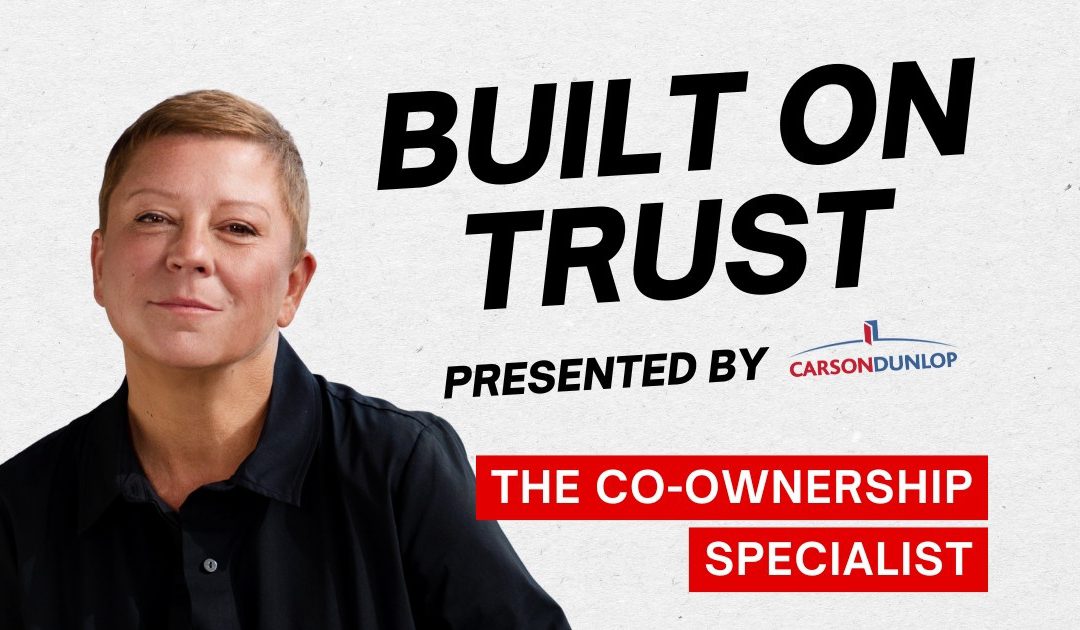
Lesli Gaynor did not come to real estate through a traditional path. Her background is in health policy, and she says that experience shaped how she approaches the business. She is less interested in how many homes she has sold and more interested in the problems her clients are trying to solve. For most of them, the problem is the same: they cannot afford to buy a home on their own.
Gaynor is a Toronto-area agent who has built her practice around co-ownership, helping groups of people buy property together. Her clients include multi-generational families where adult children cannot enter the market without help from parents, groups of friends who want to pool resources and existing homeowners who want to bring someone into their property to reduce overhead.
She estimates that about 80 per cent of the people who come to her arrive as a formed group. They already know each other and have a general idea that they want to co-own. Her job is to help them figure out whether it will actually work and, if so, how to structure it properly.
Structuring the relationship before the purchase
That means a significant amount of the work happens before anyone starts looking at properties. Gaynor walks her clients through co-ownership agreements, family law implications, estate planning, property management structures and exit strategies. She describes the exit conversation as the most important one.
“The biggest concern I hear is what happens if it goes south,” she says. “You’re really getting into bed with somebody. You are literally committing to someone in a very specific way. So the biggest question I get is, what happens if it doesn’t work? Which is why we do all of that work up front.”
Her legal agreements include what she calls an “anti-tsunami clause,” a provision that prevents any party from abruptly exiting without a structured process. The agreements also require a reserve fund, similar to a condo reserve, with three months of mortgage payments set aside, along with a contribution toward ongoing maintenance and a decision-making framework for how that money gets spent.
Ownership splits are flexible. Gaynor has structured deals ranging from 50-50 to 95-5, depending on the parties’ financial situations and comfort levels. The key, she says, is that everyone agrees on the terms before a property is purchased, not after.
Managing risk and planning ahead
On home inspections, Gaynor says the stakes are higher in a co-ownership arrangement because multiple parties share responsibility for the same asset. If a problem surfaces in one part of the property, all parties need to have agreed in advance on how it will be addressed. She says inspectors who provide a forward-looking perspective on maintenance are especially valuable for co-owners, because the group needs to budget collectively.
“Inspectors who are really good at giving a little bit of future foresight are really beneficial for co-owners,” she says. She uses Carson Dunlop for her inspections and says the ongoing support, where clients can call with questions for as long as they own the property, puts first-time buyers at ease.
Gaynor’s business also includes a matching service through her platform, Hussmates, which facilitates introductions between people who want to co-own but do not yet have a group. She says no one has completed a transaction with a complete stranger yet, but interest is high, and she expects that to change within the year.
Watch the full episode now:



Built on Trust is a weekly video series produced by Real Estate Magazine and presented by Carson Dunlop.



